
Trending
This story is from January 14, 2019
Goa: A village where shops still pay Rs 3 per month as rent
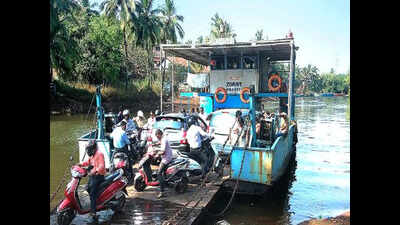
The one-kilometre distance over the Mandovi river between Tonca in Marcel and Sarmanas in Pilgao is covered in 10 minutes.
A walk through the streets of Tar Wada in Pilgao reveal that shops here still pay Rs 3 per month to the owners of the premises.
Among the biggest landowners in the village is the Rebelo family, and though the third generation, Ricardo, Deric and Kevin, do not reside there, they still follow the footsteps of their grandfather, late Dr Inacio José Damaso Bento Rebelo, who purchased a large of area of land in the village.

“Our tenants and mundkars have been like family members to us for three generations,” says Kevin. Like their grandfather, the current generation intends on helping the local community and farmers of the village. “We were the first ones to give an NOC for acquisition of 30,000 sqm of land for a canal in the village, or to settle disputes, or allow locals free access to water sources for personal needs,” says Rebelo.
Village chroniclers give two differing opinions on the etymology of the word, Pilgao. One section feels it is connected with peepal trees (ficus religios), also called ‘sacred fig’ in English.
“The village derives its name from the ‘peepal’ tree as it once enjoyed a thick cover of ‘peepal’ trees,” says Arvind Pandurang Sainekar of Vargao.
Others, however, say that the meaning of the word ‘Pilgao’ is linked to the presence of ‘pirs’ (Muslim saints or holy men). “Pilgao is derived from ‘Pirancho Gao’ (‘village of ‘pirs’). There are two shrines built at Tar Wada and Bag Wada on the tombs of the graves of Muslim saints,” says Sheikh Abdul Shaikur of Tari Wada. The village also has a Goan Muslim population.
Like other villages of Goa, Pilgao is grappling with waste management issues. “Everybody must change their attitude and take responsibility of keeping not only their places clean, but also their surroundings,” says Gharso Surlekar of Tar Wada.
Surlekar further adds that Pilgao Sports Club (PSC), which was established on January 1, 1984, has done a commendable job in collecting plastic waste. “PSC has collected 1 tonne of plastic waste over the last four years,” he said.
Pilgao, which is home to 3,200 people, is surrounded by the village of Naroa on one hand and Mandovi river on the other. Traditionally and historically, Pilgao has its own comunidade/gaunkari or village commune. It has a seven-ward panchayat, while its traditional wards are Sarmanas, Tar Wada, Math, Sai Wada, Gaonkar Wada, Deul Wada, Gimone, Vargao, Bag Wada and Madhla Wada.
End of Article
FOLLOW US ON SOCIAL MEDIA





Photostories

Hot Picks
TOP TRENDING
Popular Categories
Hot on the Web
Top Trends
UGC NET ResultIsrael Hezbollah WarShaheen AfridiGautam GambhirBaba Siddique NewsRussell WilsonsBahraich ViolenceSarfaraz KhanGen AI Shift ImpactsLawrence BishnoiAmazon LayoffsPM Internship SchemeSSC GD Constable ExamJunior Doctor Hunger StrikeTamil Nadu Board Exam Time TableN ChandrasekaranLive Cricket Score
Trending Topics
Diwali WishesNara RohithBaba SiddiqueShraddha KapoorVettaiyan CollectionVettaiyan ReviewNatasa StankovicDevara CollectionBigg Boss 18Deepika PadukoneShraddha KapoorRatan Tata Passed AwayJigra Movie ReviewVettaiyan Movie ReviewSwatantrya Veer SavarkarDussehra 2024Star Health Hacker DemandedViral MemesUltimate Football Codes October 2024Wordle Answer
Living and entertainment
Latest News
UPSC Releases EPFO 2024 Interview Schedule: Dates from November 4 to December 6PCB defends decision to drop Babar Azam, Shaheen Afridi, Naseem ShahMini setback for Season 1 of women's Hockey India League, four teams instead of sixFormer Maharashtra CM Uddhav Thackeray admitted to HN Reliance HospitalInfosys to no longer send job offer letters and attachments, the company will ...Happy Dev Diwali 2023: Best Wishes, Images, Status, Quotes, Messages, Facebook and WhatsApp Greetings to Share on Dev DeepawaliChina September soybean imports surge to near record 11.37 million tonsMithun Chakraborty REVEALS he never asked anybody to give work to his kids in BollywoodWhat Are Square Aspects in Astrology?30 detained, internet shutdown after massive violence erupts in UP's BahraichKrushna Abhishek shares a heartwarming post for mama Govinda; says 'jab body mein adha blood supremely talented actor Govinda ka ho...'Papankusha Ekadashi 2024: Date, Parana Time, Puja Rituals and SignificanceNorth Korea preparing to demolish inter-Korean roads, claims South KoreaAI’S OppenheimerRajveer Singh’s inspiring transformation on completing a decade in the TV Industry, says 'My passion for becoming an actor fueled my determination'RG Kar issue: Junior doctors' hunger strike enters 10th day, another protesting medic hospitalisedPolice arrest 35 Pakistan Tehreek-e-Insaf activists ahead of protestFormer Pakistan PM Imran Khan's sisters shifted to Jhelum jail on judicial remand
Copyright © 2024 Bennett, Coleman & Co. Ltd. All rights reserved. For reprint rights: Times Syndication Service